
Devin vs OpenHands vs Codex vs Claude Code: Autonomous Coding Agents Compared
By ReviewRamble editors ·
Quick verdict
Claude Code is the agent the others are measured against, and the one to pick for hard work in a real repository. Codex is the agent most developers already own through ChatGPT, on a $20 team seat. Devin is for handing a ticket to an agent that works on its own cloud machine while you do something else. OpenHands is the open-source, self-hosted option, and increasingly a control centre that runs the other agents rather than a rival to them. Which wins depends on where you want the agent to run and who holds the keys.
Comparison at a glance
| Devin | OpenHands | Codex | Claude Code | |
|---|---|---|---|---|
| Maker | Cognition | OpenHands (open source, MIT) | OpenAI | Anthropic |
| Where it runs | Cloud VM, CLI, Devin Desktop IDE | Your laptop, a shared VM or your own servers | Desktop app, CLI, IDE, web, iOS, cloud tasks | Terminal, IDE, desktop app, browser |
| Models | Several vendors, including SWE-2 | Any, with your own key | OpenAI GPT-6 family | Anthropic Claude |
| Open source | No | Yes (MIT) | CLI yes (Apache 2.0) | No |
| Runs other agents | Codex, Claude Agent, OpenCode via ACP | Claude Code, Codex and other ACP agents | No | No |
| Triggered by | Chat, Slack and other integrations | Chat, schedules, webhooks | Chat, code review, Slack | Chat, IDE, scripts and CI |
| Entry price | Free; Pro $20 | Free to self-host | Plus $20 (limited use on Free and Go) | Pro $20 ($17 a month yearly) |
| Team price | Teams $80 a month in shared credits | Teams $500 a month for 10 users | Business $20 per user yearly, $25 monthly | Team Standard $25 per seat ($20 yearly) |
| Published usage limits | None | 5,000 sessions a month on Teams | Estimated messages per five hours | Five-hour and weekly windows, no fixed count |
Pricing, checked on the vendors' pages on 25 November 2026
- Devin: Free (light agent quota, no cloud agents); Pro $20 a month with Devin Cloud and extra usage at API pricing; Max $200; Teams listed at $80 a month, paid as a shared credit pool according to Cognition's billing docs; Enterprise custom. No quota numbers for any tier.
- OpenHands: free and MIT-licensed to self-host with your own model key. Teams is $500 a month with 10 users included, $50 a month per extra seat, a 30-day trial and a cap of 5,000 sessions a month. Enterprise is custom and uncapped.
- Codex: Free and Go ($8) get GPT-6 Luna in the desktop app, subject to rollout. Plus at $20 covers the web, CLI, IDE and iOS; OpenAI estimates, for example, 15 to 160 GPT-6.1 Sol messages per five hours. Pro is $100, $200 or $500 with no five-hour limit for now. Business is $20 per user a month billed yearly for two or more users, or $25 monthly. Using Codex with an API key is billed separately at API rates.
- Claude Code: in every paid Claude plan, not the free one. Pro $20 ($17 a month billed yearly); Max $100; Ultra $200; Team Standard $25 per seat ($20 yearly) and Premium $125 ($100 yearly) for teams of 2 to 150; Enterprise $20 per seat billed yearly with a 20-seat minimum, plus usage at API rates.
Autonomy is a question of where the agent lives
All four will read a repository, plan a change, edit files and run commands. The real difference is how much of the work happens while you are not watching, and on whose hardware. That decides your security review, your bill and how you check the result.
Claude Code and Codex started as agents that work beside you, in a terminal or an editor, and have grown outwards into desktop apps, browsers and cloud tasks. Devin started as an agent that works away from you, on its own virtual machine, and grew inwards into an IDE. OpenHands started as an open-source version of that autonomous agent and is now mostly the plumbing: it hosts agents, including Claude Code and Codex, on machines you control.
Devin: delegation without infrastructure
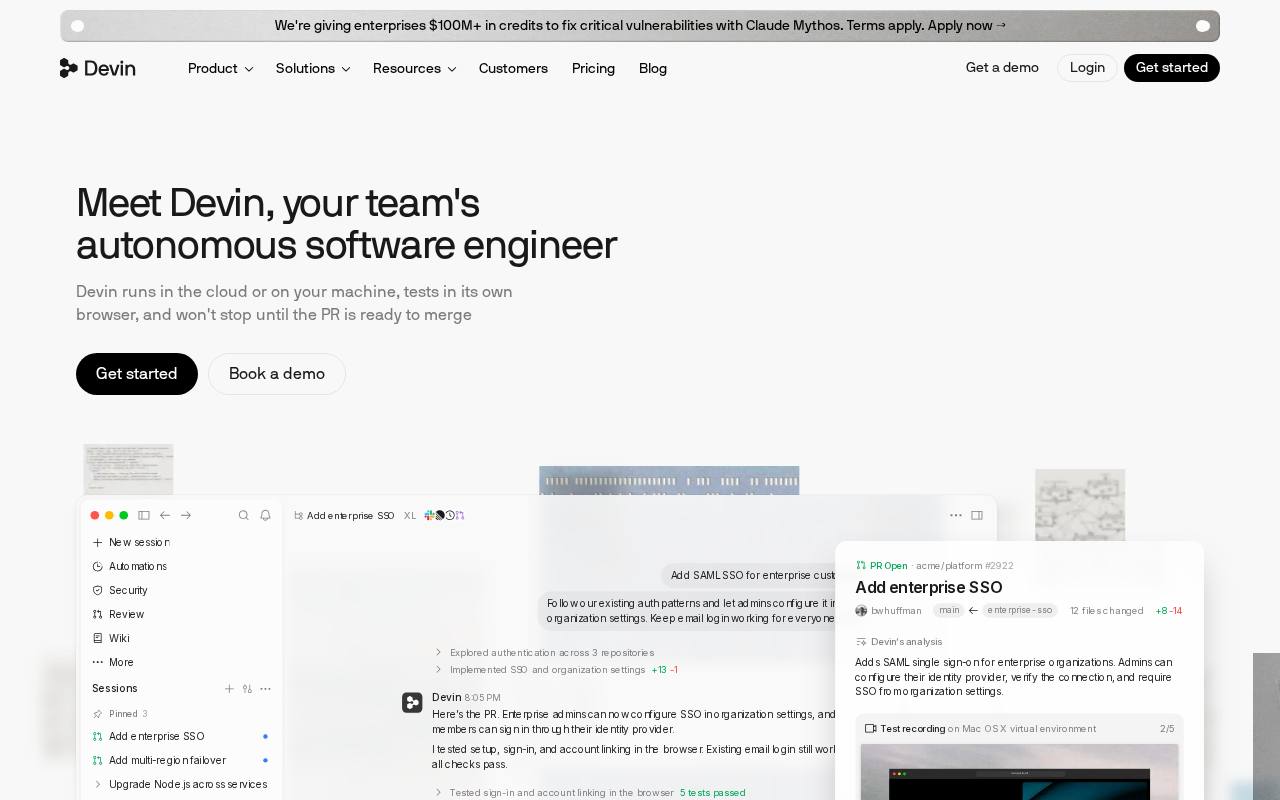
Devin's strength is that you can give it a ticket and walk away. Each cloud session runs in a fresh virtual machine that is discarded afterwards, Cognition says it does not train on customer code by default, and it holds a SOC 2 Type II report. Devin Desktop, the IDE formerly called Windsurf, and the Agent Command Center show cloud sessions next to local ones, including outside agents through ACP.
What you cannot do is plan the spend. The pricing page publishes no quota for Pro, Max or Teams, overage is billed at API rates, and Teams billing has been reworked again: the current page lists $80 a month as shared credits. SAML/OIDC SSO is on Teams; SCIM and dedicated deployment need Enterprise.
Strengths: true hand-off to a cloud agent, throwaway VMs, one plan for IDE and agent. Weaknesses: no published quotas, frequent re-pricing, the most expensive way to find out how much work an agent can do.
OpenHands: keep the agents on your own machines
OpenHands is the only one of the four you can run entirely on your own infrastructure for free. With about 94,000 GitHub stars and near-daily releases, it now runs its own agent and other ACP agents from one interface, on a laptop, a VM or in the cloud, and can trigger them on schedules or webhooks. For a team that wants autonomous agents without sending source code to a new vendor, that is the point.
The cost is operational. The quickest install gives the agent full access to your filesystem, the self-hosting guide warns that anyone who can reach the agent server can run commands, and multi-user identity, SSO and budgets need the $500 Teams plan. Results on large or vague tasks still need human review, as with every agent here.
Strengths: MIT licence, any model, runs Claude Code and Codex as well as its own agent, scheduled automations. Weaknesses: you own the hardening, SSO is paid, fast-moving releases mean pinning versions.
Codex: the agent you probably already pay for
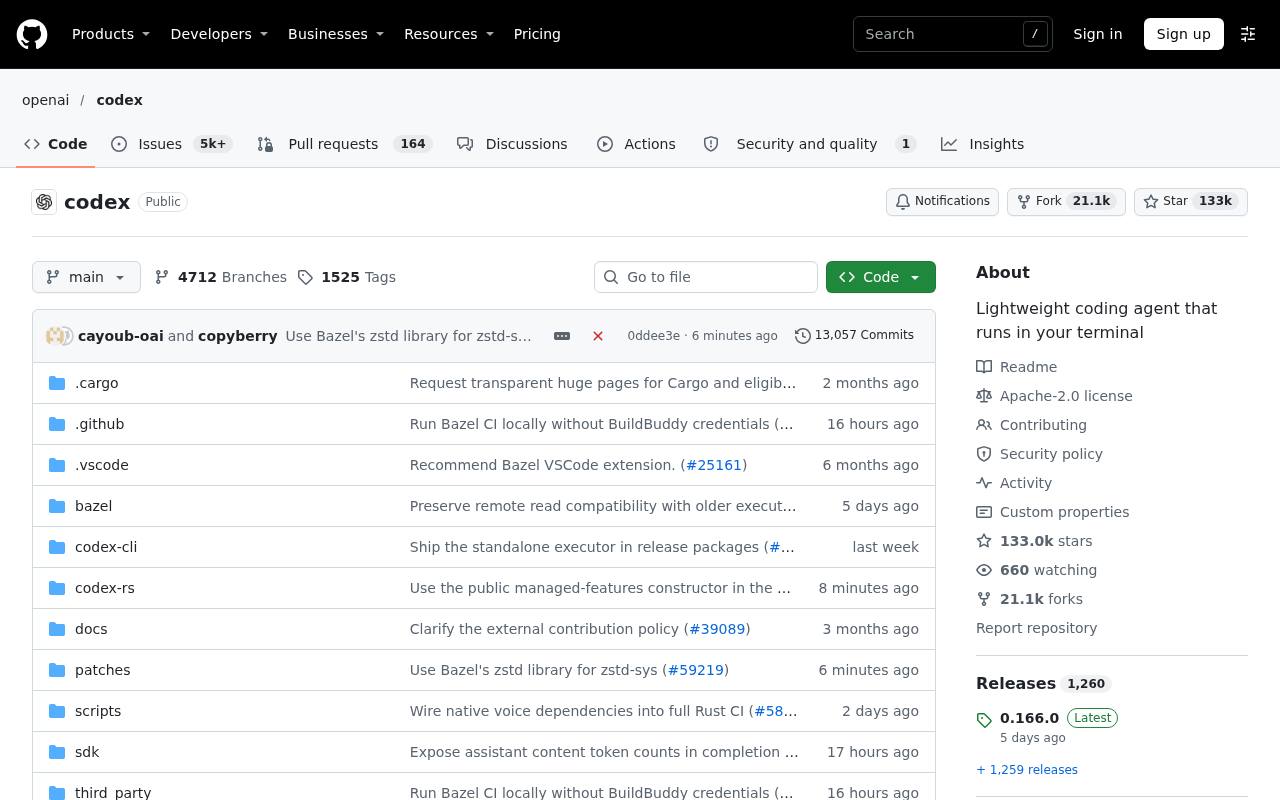
Codex comes with ChatGPT Plus and Business, so many teams can start without a purchase order. The open-source Codex CLI is well sandboxed, cloud tasks handle longer jobs, and automatic code review and Slack are in Plus. At $20 per user a month on annual Business billing, it ties with Claude Code Team Standard for the lowest per-seat price here.
Its weakness is that OpenAI keeps changing what a plan buys. Allowances are estimates with wide ranges, weekly limits may apply on top, cloud tasks draw more than local messages, and models are retired at short notice. Codex also only runs OpenAI's models.
Strengths: included with ChatGPT, open-source CLI, a $20 team seat, no five-hour limit on Pro for now. Weaknesses: estimated rather than fixed allowances, one model vendor, frequent plan changes.
Claude Code: the benchmark for hard repository work
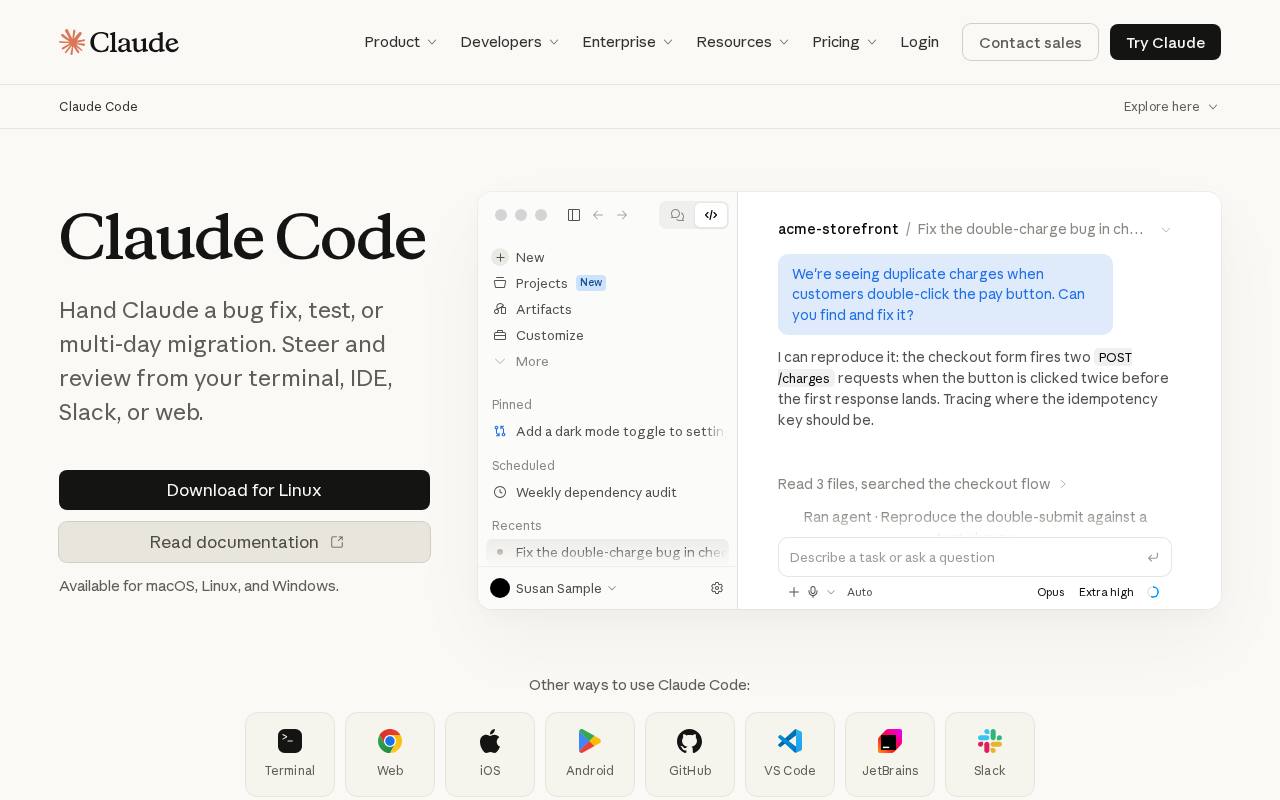
Claude Code is our highest-rated coding agent (4.7). It works in the terminal, IDE, desktop app or browser, follows project instructions closely, and has a hooks and plugin system that teams use to enforce their own rules. For multi-file changes in an unfamiliar codebase, it is the one the others are measured against.
The price is a single model vendor and a meter you cannot see. Subscriptions reset on rolling five-hour and weekly windows with no fixed message count. Anthropic's own figure for enterprise API use is about $13 per developer per active day, or $150 to $250 a month, well above the $20 seat price.
Strengths: strongest results on complex changes, many surfaces, mature extension system. Weaknesses: Claude models only, no free tier, usage limits without published numbers.
What a ten-person team pays
Ten developers on Codex Business pay $200 a month billed yearly. On Claude Code Team Standard they pay $200 a month billed yearly, or $1,000 on Premium seats for heavier use. On Devin Teams the list price is $80 a month in shared credits, with the real cost depending on how fast unpublished quotas drain at API rates. On OpenHands Teams they pay $500 a month plus the servers and model tokens, or nothing but servers and tokens on the free self-hosted edition if they can do without SSO and per-user identity.
Seat prices are the smaller number. The larger one is reviewed work: an agent that produces a change you must rewrite has cost you twice. Run the same three tickets through your two finalists and count how many diffs merge with light edits. Our guides on how to brief a coding agent and securing coding agents cover how to make that test fair.
Which one for which job
| If you need | Pick | Why |
|---|---|---|
| Hard multi-file changes in a real codebase | Claude Code | The strongest results in our reading of the field |
| A low-cost start for a team already on ChatGPT | Codex | $20 per user yearly on Business, included with Plus |
| Hand tickets to an agent and walk away | Devin | Cloud sessions on throwaway VMs, from $20 |
| Code and keys stay on your own machines | OpenHands | Free to self-host, any model, runs other agents |
| Freedom to switch model vendors | OpenHands or Devin | Both host several vendors' agents |
For the head-to-head detail, read Claude Code vs Codex and OpenCode vs Codex. For how these agents sit next to editors, see Claude Code vs Codex vs Cursor vs Copilot and AI code editors and coding agents compared.
FAQ
Is Devin still the "AI software engineer" from 2024?
The name is the same, but the product is now a family: Devin Cloud for autonomous sessions, Devin CLI, Devin Review and Devin Desktop, the IDE formerly called Windsurf, all on one subscription from $20 a month.
Is OpenHands free?
The software is free and MIT-licensed. You pay for the machines it runs on and the model tokens. The Teams plan, at $500 a month for 10 users, adds SSO, per-user identity and budgets.
Can I use Claude Code and Codex together?
Yes. Many developers keep both, and OpenHands and Devin Desktop can each run Claude Code or Claude Agent and Codex side by side through ACP.
Which is cheapest for a team?
Codex Business at $20 per user a month billed yearly, matched by Claude Code Team Standard at $20 yearly. OpenHands is free if you self-host without SSO, but you pay for servers and tokens.
Do any of them train on my code?
Cognition says Devin does not by default. OpenHands sends code only to the model provider you configure. OpenAI excludes Business, Enterprise and API data from training by default, and Anthropic does the same for Team, Enterprise and API. On personal plans (ChatGPT Free, Plus and Pro; Claude Pro, Max and Ultra) training depends on a setting, so check it before opening an employer's code.
Sources and verification
Prices and plan details come from the vendors' own pages, read on 25 November 2026. Plan terms vary by region, billing period and date. These are source links, not evidence that ReviewRamble ran controlled benchmarks.
- Devin: Pricing, Self-serve billing.
- OpenHands: Pricing, GitHub repository.
- OpenAI: Codex pricing.
- Anthropic: Claude pricing, Claude Code costs.
Editorial disclosure: this article contains no proprietary benchmark measurements and no affiliate-sponsored rankings.